Wave of sexual assaults on aircraft: Santiago-Paris flight raises safety concerns
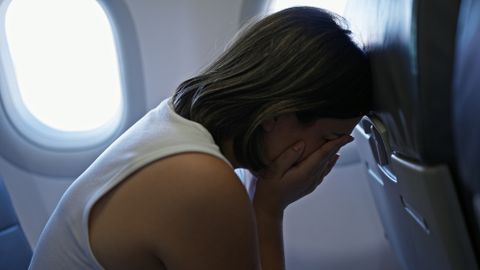
A 14-hour flight from Santiago to Paris ended with an alleged sexual misconduct incident that forced crew to intervene and relocate passengers. The incident raises questions about safety in flying's confined and isolated environment.
PoliticsThe 14-hour flight between Santiago and Paris took an unexpected turn when an alleged sexual misconduct incident erupted on board. Crew had to act quickly to intervene and relocate passengers to bring the situation under control. The incident has drawn attention to a growing problem in the aviation sector.
Aircraft represent a unique environment: a confined, sealed space where passengers are trapped for extended periods and where help may not be within reach. Experts have highlighted how such an environment can make victims particularly vulnerable and complicate the resolution of incidents.
Sexual misconduct incidents on aircraft have become more visible to the public in recent years. Airlines and aviation authorities worldwide are under pressure to develop clearer protocols and ensure a safer environment for passengers. Many carriers have begun providing specialized training for their crews to handle such situations.
Ensuring passenger safety on long-haul flights requires both crew preparedness and clear operational procedures. Legal experts emphasize that crimes committed on aircraft often fall into a complex jurisdictional situation, making their prosecution more complicated. This in turn can affect victims' willingness to report incidents.
Open in app →