Wellbeing researcher Karel Kulbin: people adapt to crises better than they think
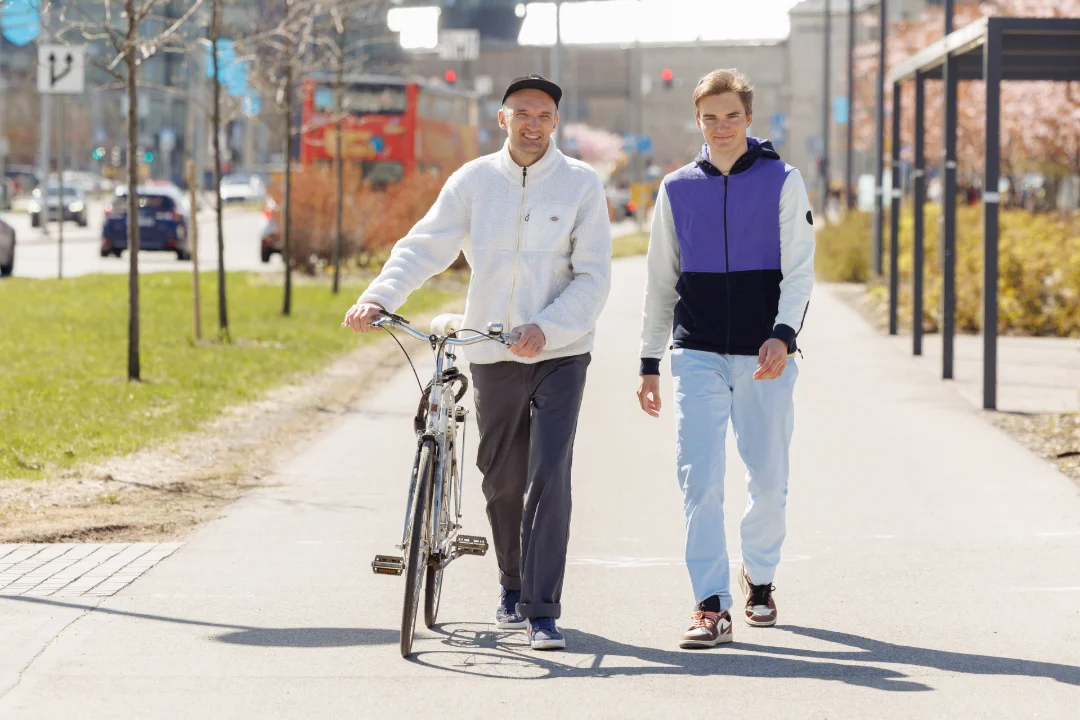
Wellbeing researcher Karel Kulbin investigated in his doctoral thesis how people coped during the coronavirus pandemic. According to him, people's adaptive capacity in crisis situations is significantly greater than they themselves anticipate. The research offers lessons for future crises.
CultureWellbeing researcher Karel Kulbin has studied how people manage during stressful periods and prolonged crises. His doctoral thesis focuses on the first year of the coronavirus pandemic, a period that left very different memories with people.
According to Kulbin, the pandemic did not affect everyone equally negatively. "People are capable of adapting to prolonged uncertainty and repeated stressors significantly better than they themselves can anticipate," says the wellbeing researcher. This observation is important because it contradicts the widespread belief that crises inevitably break people.
Who coped better with the crisis?
In his doctoral thesis, Kulbin primarily investigated what those people who managed better during the pandemic did differently. It emerged that coping was influenced by several behavioural and psychological factors, including how a person interprets uncertainty and what strategies they use to manage stressful situations.
The research findings suggest that adaptive capacity is not merely an innate characteristic, but something that can be consciously developed. People who coped better with the crisis often had clearer daily routines, social connections, and the ability to find meaning in the situation.
Lessons for future crises
Kulbin's research is topical more broadly, as the world faces increasingly frequent and multifaceted crises, whether pandemics, climate disasters, or geopolitical tensions. According to the wellbeing researcher, a better understanding of human adaptive capacity provides tools for both individuals and society to prepare for future challenges.
Open in app →