Welsh Island Records Second Year of Record Puffin Numbers
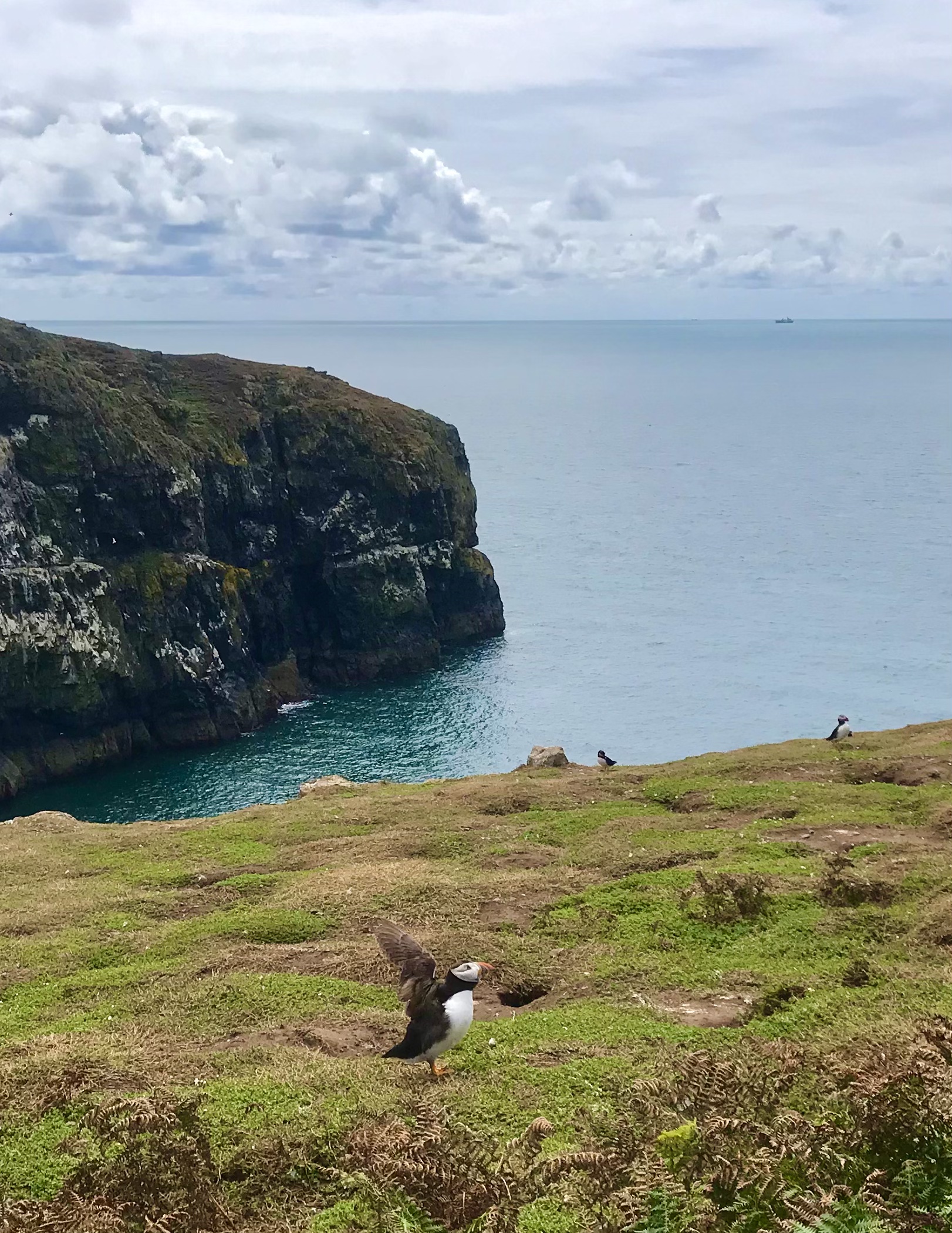
Skomer Island off the coast of Wales has recorded its second consecutive year of record puffin populations, bucking the global trend of declining seabird numbers. The island, a protected nature reserve, continues to serve as a vital breeding ground for these distinctive seabirds despite widespread population declines in other regions.
CultureSkomer Island, located off the Welsh coast, has achieved a remarkable ecological milestone by recording record-breaking puffin numbers for the second consecutive year. This achievement stands in stark contrast to the broader global pattern of declining puffin populations, making the island an increasingly important conservation success story.
The island's thriving puffin population represents a significant anomaly in seabird conservation efforts across the North Atlantic and beyond. While many traditional puffin breeding grounds have experienced steep population declines due to factors including climate change, food scarcity, and human disturbance, Skomer Island has successfully maintained and even expanded its breeding colonies.
The sustained growth in puffin numbers on Skomer highlights the effectiveness of protected nature reserve status and dedicated conservation management. The island's designation as a nature preserve has created conditions favorable for breeding seabirds, with restrictions on human access and monitoring programs helping to safeguard the vulnerable populations during their critical breeding season.
The consecutive record counts suggest that conditions on Skomer Island remain optimal for puffin reproduction and survival. Researchers and conservationists continue to study the factors contributing to the island's success, hoping to apply these lessons to other struggling puffin populations across the region. The island has become an increasingly important refuge for these charismatic seabirds, demonstrating that targeted conservation efforts can reverse negative population trends.
Open in app →