When to visit Tartu Botanical Garden for the best blooms
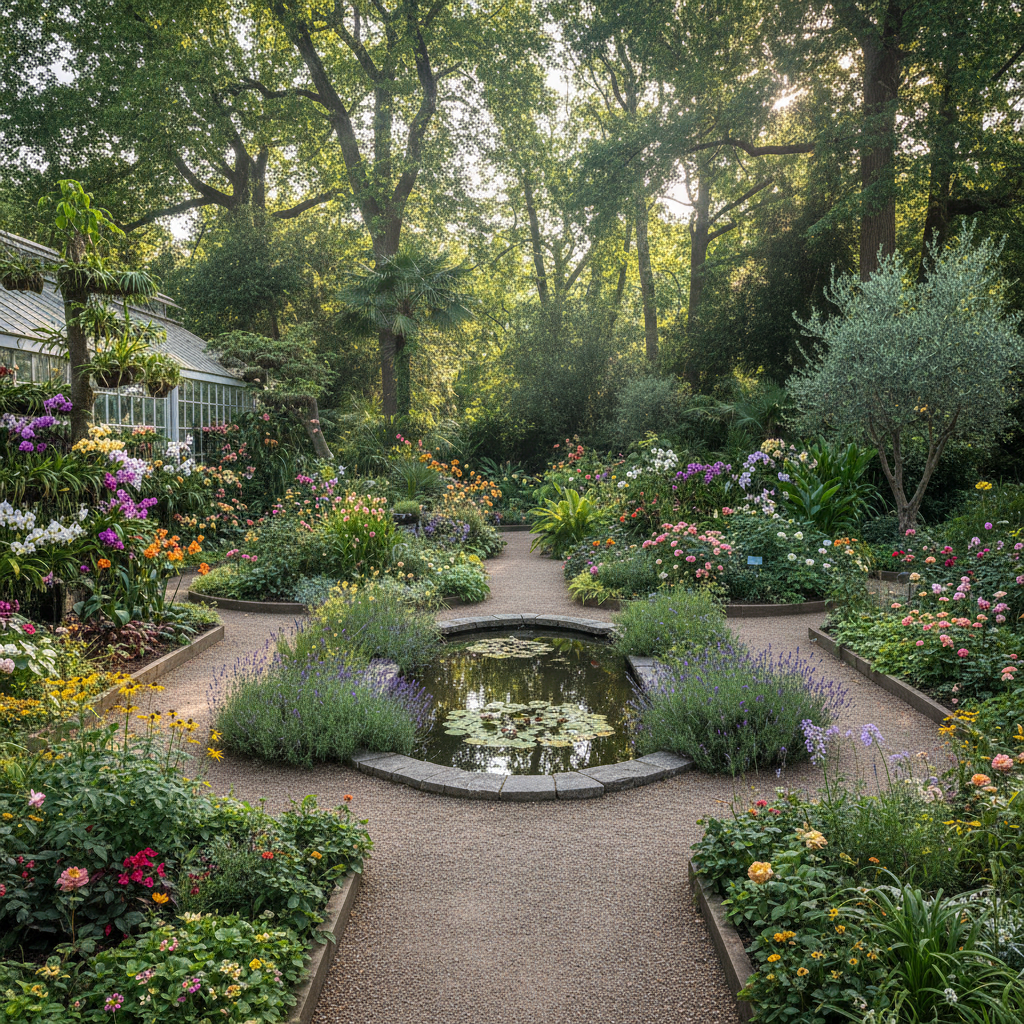
Tartu Botanical Garden offers a distinct spectacle in every season, from spring bulbs and magnolias through summer roses to vivid autumn foliage. Experts recommend June as the peak month for simultaneous blooms, while the tropical greenhouses provide a lush escape even in the depths of winter. Planning ahead, checking the garden's website for current flowering updates and arriving on a weekday morning, can significantly enhance the visit.
CultureTartu Botanical Garden, set along the banks of the Emajõgi River, has been one of the city's most cherished green spaces for decades. Far more than a scientific research centre, it functions as a living museum that transforms with every passing season, drawing nature lovers, photographers, and families alike.
Spring: the season of firsts
The garden's earliest spectacle begins in March, when snowdrops, spring snowflakes, and crocuses push through the soil and carpet the beds in colour. As April gives way to May, daffodils and tulips take centre stage, their nectar providing vital food for the first pollinators of the year. The dendrological collection blooms slightly later, apple trees, cherries, and magnolias are particular favourites. The magnolias, exotic by Estonian standards, reliably draw crowds of photographers and nature enthusiasts each spring.
Late May is arguably the most peaceful time to visit. The greenery is at its freshest, summer holiday crowds have yet to arrive, and birdsong fills the air. For visitors who prize quiet contemplation over company, this window is ideal.
Summer in full colour
June marks the garden's high season, when peonies and irises begin their display and the Palm House opens its tropical collections to visitors. The herbaceous borders are planned to ensure a rolling sequence of colour throughout the summer months, with roses, available in a remarkably diverse collection, becoming the main attraction in July and August. Their fragrance draws professional photographers and casual strollers in equal measure.
The herb garden and rock garden also reward summer visitors with plants rarely seen in private gardens. Summer evenings, when the garden often stays open late, offer soft sunset light that transforms the beds and tall trees into something almost otherworldly.
Autumn colour and winter greenhouses
Many visitors mistakenly assume the garden is dull once summer fades. In reality, September and early October bring vivid foliage and late-flowering perennials such as asters and rudbeckias that hold their own against the cooling air. Autumn is also prime time for observing mature fruits and seeds, an educational dimension easily missed on busier summer visits.
When winter arrives and the outdoor garden rests, the Palm House and other glasshouses remain open year-round, offering tropical warmth and lush greenery whatever the weather outside. Palms, banana trees, ferns, cacti, and succulents from across the globe make these spaces a genuine escape from February's grey skies. Temporary themed exhibitions held inside the greenhouses provide fresh reasons to return even for regular visitors.
Planning your visit
The garden recommends checking its website or social-media channels before visiting to see which plants are currently flowering, the surest way to catch peonies or tulips at their peak. Allow at least two to three hours for a thorough walk; comfortable footwear is advised. Weekday mornings offer the quietest atmosphere and the best natural light for photography, while weekends and themed event days bring a livelier crowd. Tickets can be purchased at the on-site ticket office, though advance online booking may save time during busy periods. Guided tours are available for both groups and individual visitors; groups are advised to book at least a fortnight ahead.
Open in app →