When Wildlife Meets Picnic: The Great Sausage Roll Heist
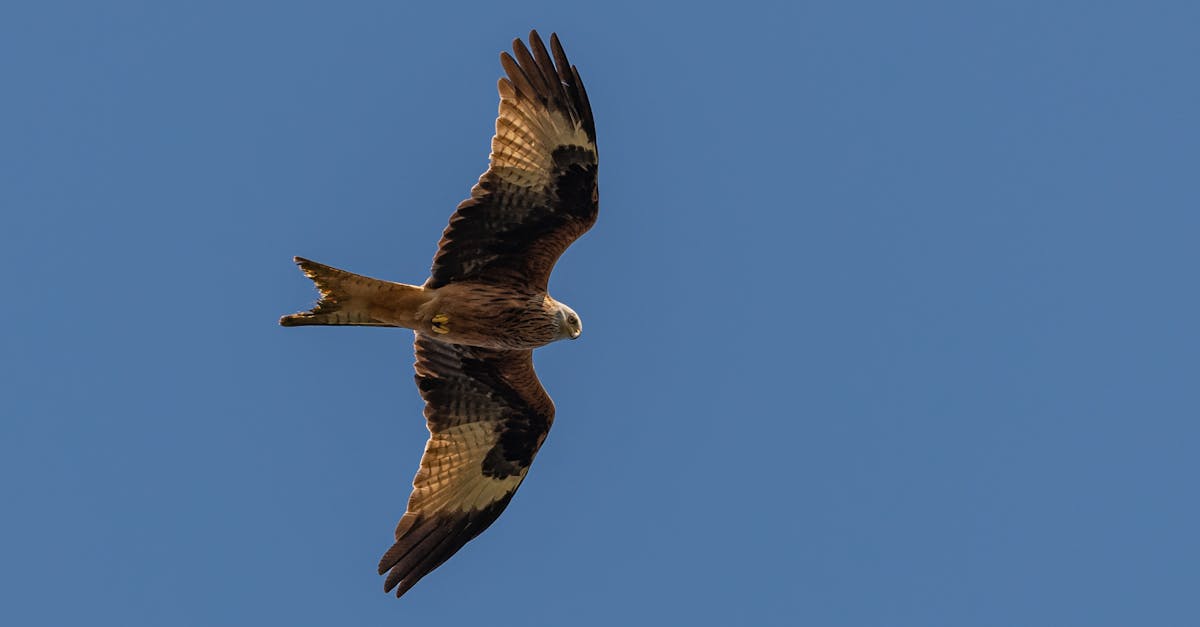
A man in Banbury has identified a red kite as the culprit behind a peculiar theft of sausage rolls from his mother-in-law. The incident highlights the growing boldness of wildlife in populated areas, as red kites increasingly venture into human spaces in search of food.
OpinionIn an unusual turn of events that blurs the line between wildlife behavior and human food theft, a resident of Banbury has claimed that a red kite is responsible for snatching sausage rolls. The incident, while humorous on the surface, raises serious questions about how wild animals interact with human settlements and the availability of accessible food sources in populated areas.
Red kites, once hunted to near-extinction in Britain, have made a remarkable comeback over the past few decades thanks to dedicated conservation efforts. However, this success story comes with unexpected consequences. As their populations recover and expand into new territories, these birds of prey are increasingly venturing into urban and suburban areas, where they encounter human food and develop new feeding behaviors. The Banbury resident's claim suggests that this particular red kite may have learned to associate human gatherings with potential meals.
The theft of sausage rolls, while amusing, illustrates a broader pattern of wildlife adaptation in the modern world. Red kites possess exceptional eyesight and intelligence, allowing them to identify and exploit food sources that humans might not expect them to target. Rather than hunting traditional prey, some individuals have discovered that outdoor human spaces offer easier dining opportunities. This behavioral shift raises important considerations about coexistence between humans and wildlife in increasingly shared spaces.
Wildlife experts warn that such incidents, though often reported with humor, underscore the importance of proper food storage and waste management in areas where wild animals are present. The solution lies not in blaming the animals for their resourcefulness, but in adopting practices that discourage wildlife from becoming dependent on human food sources. Secure containers, proper disposal of food waste, and awareness campaigns can help maintain healthy boundaries between human settlements and wild populations.
The story of the Banbury sausage rolls serves as a lighthearted reminder that as we expand our presence in natural habitats and wildlife adapts to human-dominated landscapes, unexpected encounters will inevitably occur. The real challenge lies in managing these interactions responsibly to ensure both human safety and animal welfare.
Open in app →