Why golf's popularity is fading as cycling surges ahead
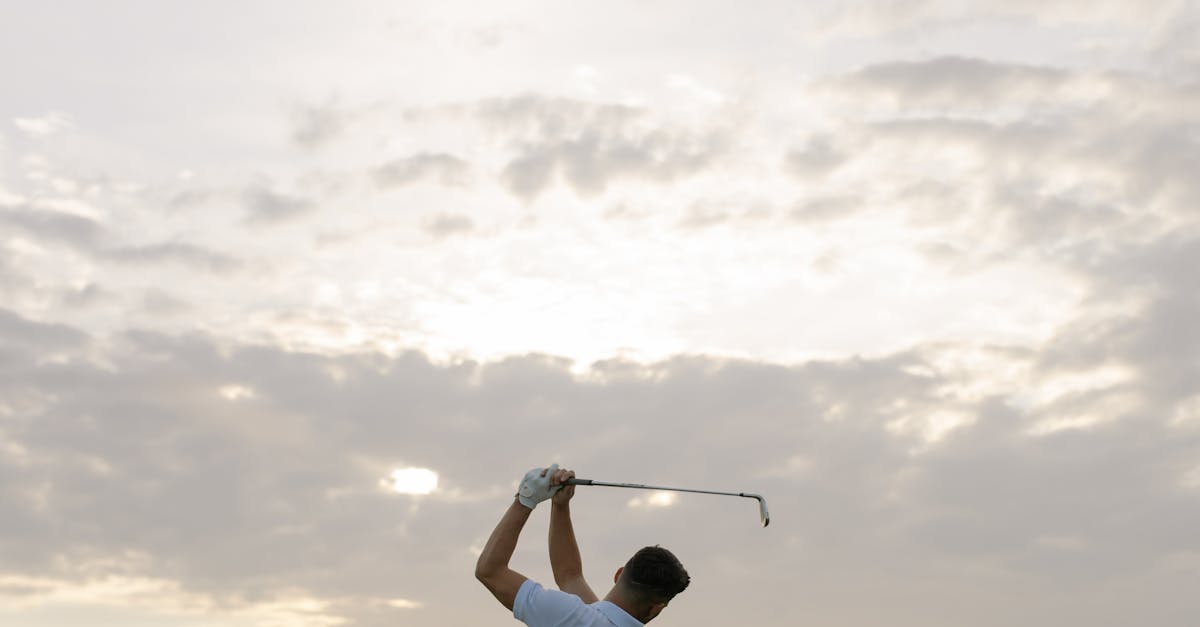
Sports analyst Mark Hodkinson examines the contrasting fortunes of two recreational sports, exploring why golf participation is declining globally while cycling continues to attract new enthusiasts. The investigation highlights shifting consumer preferences, lifestyle changes, and how different sports adapt to modern leisure trends.
OpinionThe sporting landscape is undergoing a significant transformation, with traditional pastimes like golf losing their once-dominant appeal while alternative activities gain traction. Golf, long considered a prestigious pastime across many Western countries, is experiencing declining participation rates as younger demographics explore different recreational options.
Cycling, by contrast, has emerged as one of the fastest-growing sports globally. The rise reflects broader societal changes including increased environmental consciousness, the appeal of outdoor fitness activities, and the development of urban cycling infrastructure. Cities worldwide have invested in dedicated cycling lanes and bike-sharing programs, making the sport more accessible than ever before.
The decline in golf participation stems from multiple factors. The sport requires significant time investment, with rounds typically lasting four to five hours, making it less appealing to busy modern schedules. Additionally, golf courses demand considerable land and maintenance resources, and membership fees remain prohibitively expensive for many potential players. Younger generations increasingly prefer activities that offer flexibility, lower barriers to entry, and visible health and environmental benefits.
Cycling addresses many of these concerns directly. It requires minimal equipment investment, can be incorporated into daily routines, and provides immediate cardiovascular benefits. The sport's environmental credentials align with growing sustainability concerns among younger audiences. Urban planning initiatives have further democratized cycling by removing traditional infrastructure barriers.
This shift signals broader changes in how people choose recreational activities, with emphasis moving toward accessibility, health outcomes, and environmental impact rather than tradition and status symbols.
Open in app →