Wild Strawberry: Estonia's Little Sweet History from the Stone Age to Today
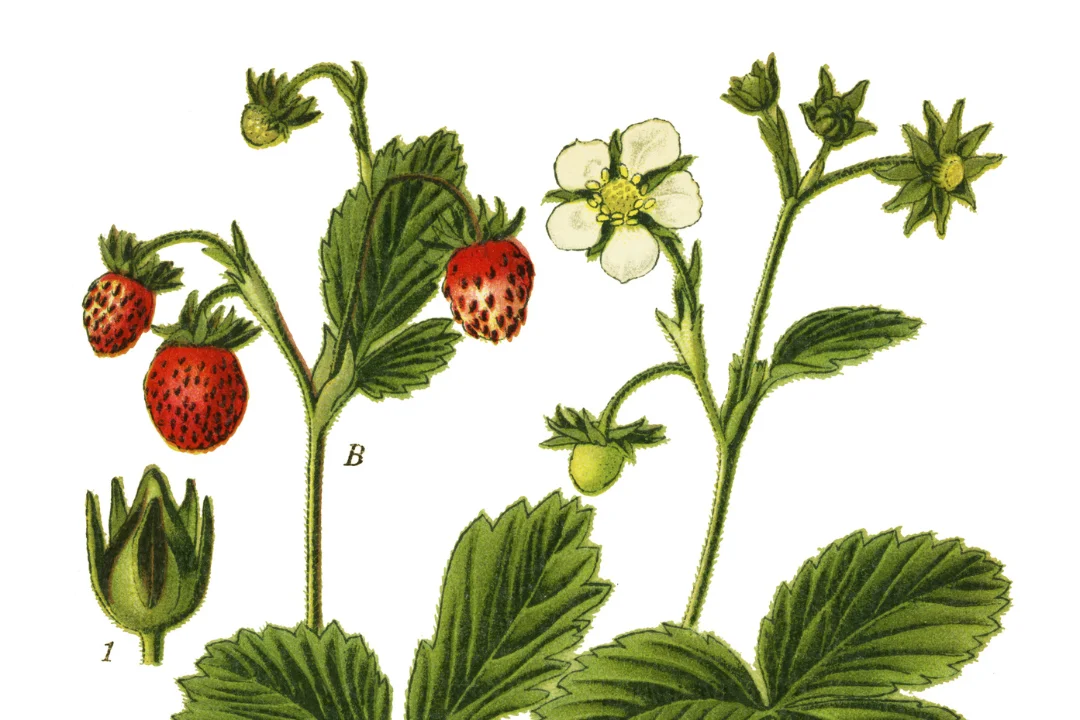
The wild strawberry is one of Estonia's most valuable berry plants, used by people since the Stone Age. Cultivation of wild strawberries began in Europe in the 14th century, and the ancient Romans valued it as a medicinal plant. Native Americans had their own traditions and used wild strawberries to make a special berry bread.
CultureThe wild strawberry is one of nature's true pearls in Estonia, a small, fragrant berry with an incomparable taste, whose roots stretch deep into human history. Archaeological findings show that the wild strawberry was noticed and consumed as far back as the Stone Age, making it one of our oldest known food plants.
In Europe, wild strawberries attained the status of a cultivated plant in the 14th century, when they began to be deliberately grown in gardens and plantations. The ancient Romans saw wild strawberries primarily as a medicinal plant and used them to alleviate various ailments. Only later was their value as a food plant discovered, and the wild strawberry found its place in European kitchens.
Native Americans had a distinctive tradition of using the wild strawberry to make a special berry bread, which testified to how versatile and valued this plant has been throughout the ages across different cultures.
Today, the wild strawberry grows along the edges of Estonian forests, in clearings and by roadsides, offering foragers both a delicious summer treat and an experience of connection with nature. Its intense fragrance and sweet taste differ significantly from the cultivated strawberry varieties sold in shops, which is why for many Estonians it represents one of summer's most treasured natural gifts.
Open in app →