Windmills, Canals and Tulip Fields Blend into a Unique Landscape in the Netherlands
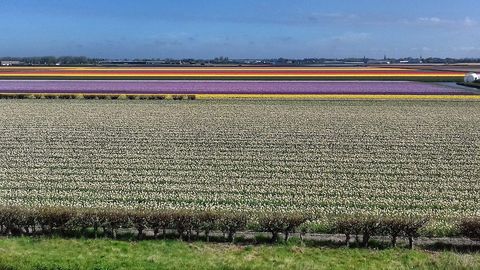
The Netherlands is a country where water and land have learned to coexist over centuries. Visitors discover this unique harmony around every corner – from windmills and canals to blooming tulip fields and historic cityscapes.
CultureThe Netherlands is one of Europe's most distinctive destinations, where nature and human endeavour have merged so seamlessly that it is hard to find a boundary between them. The low-lying landscape, much of which sits below sea level, gives the country its characteristic wide sky and openness, rarely encountered elsewhere.
Windmills here are far more than tourist attractions – they have functioned for centuries as vital instruments, pumping water away from the land and keeping dry the areas that would otherwise have remained submerged. The regions of Kinderdijk and Zaanse Schans have preserved numerous original windmills that offer an impression of how the Dutch landscape looked centuries ago.
Canals are the nation's second heartbeat. Amsterdam alone rivals Venice in its network of waterways, but possesses an entirely different character – here the rhythm is set by bicycles, not gondolas. Along the canals stand narrow, tall houses with a tilt, their lifting beams designed to extend beyond windows set in the roofline.
In spring, the picture becomes even more colourful. Keukenhof, situated near Lisse and considered the world's largest tulip garden, opens its gates to millions of visitors who come to see over seven million bulbs bloom all at once. Patches of red, yellow, pink and purple alternate in orderly rows stretching to the horizon, creating a view that seems almost unreal.
Open in app →