Writer Kairi Look: many books published today could go unpublished
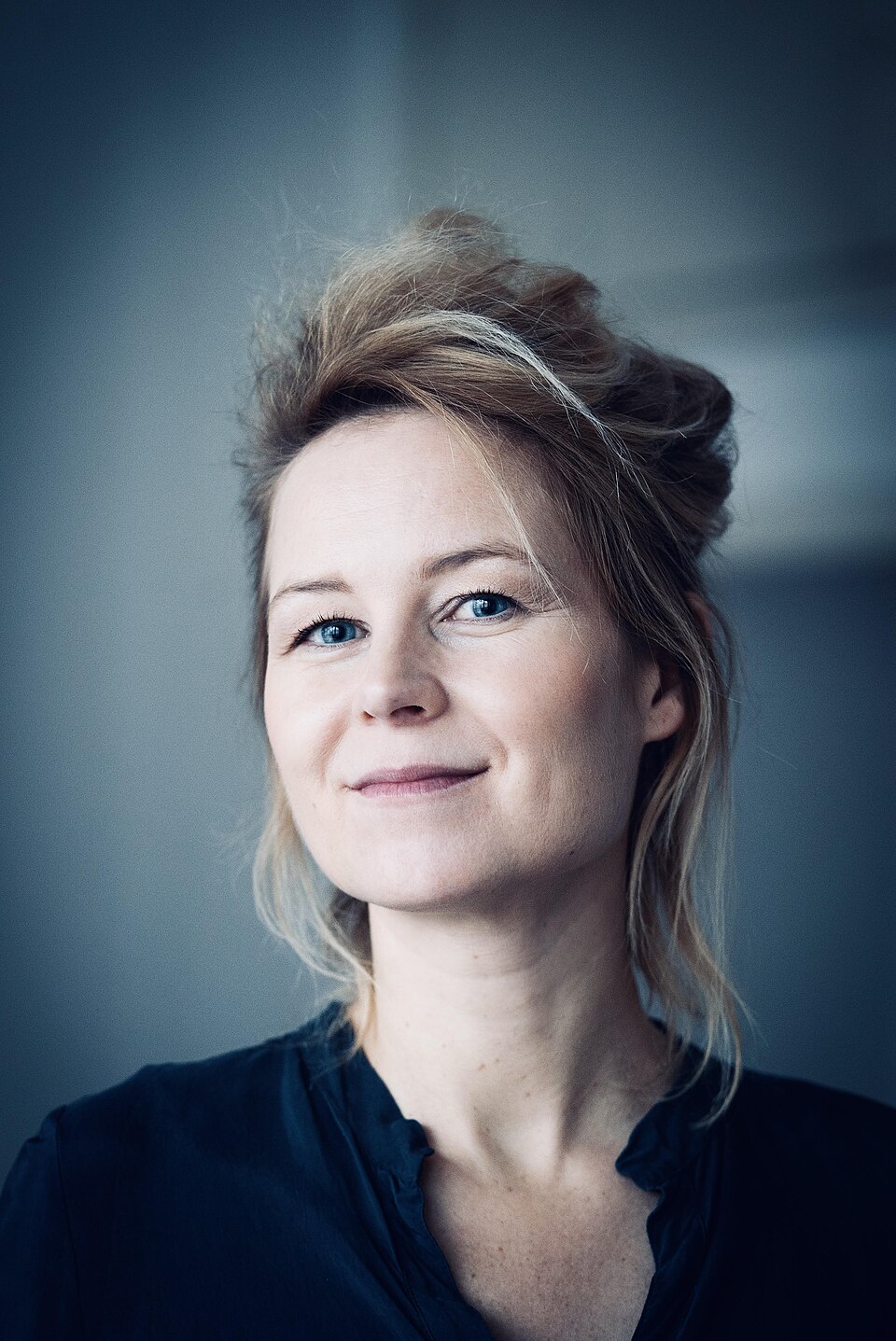
The Author Compensation Fund released library lending compensation for writers, translators and illustrators for 2025 on Thursday. Writer Kairi Look believes that the lending compensation rankings reflect public taste rather than the actual state of Estonian literature, and suggests libraries could make better choices in favour of quality literature. She notes that many books published in Estonia today would not have been published several decades ago.
CultureOn Thursday, the Author Compensation Fund released library lending compensation for writers, translators and illustrators for 2025. Writer Kairi Look appears in the rankings with 6,238 library loans and compensation of €6,409, and shares her thoughts on both the lending system and the role of Estonian libraries.
Compensation is important for writers
Look acknowledges that library lending compensation is a significant source of income for writers. "Lending compensation really helps authors," she said, emphasizing that it forms an important part of a writer's annual income.
At the same time, Look cautions against hasty conclusions. "It seems to me that drawing conclusions about the current state of Estonian literature based on the lending compensation rankings may be premature. They reflect more the public's taste and the needs of people borrowing from libraries," she explained. Among borrowers are those seeking light reading, those fulfilling school reading lists, and readers of quality literature, but the latter have always been fewer.
Lending and sales rankings diverge
Rain Siemer, director of Rahva Raamat, confirmed that lending lists and sales rankings overlap by only about 30-40 per cent. "There are some authors who are a safe bet in a bookshop. Release a book, it goes into the rankings and usually stays there quite long. Then there are library authors whose books appear in sales rankings belatedly and then disappear," Siemer noted.
He added that library borrowers prefer lighter fiction, while the Rahva Raamat ranking is more diverse, featuring both fiction, crime novels, non-fiction and self-help books.
Quality literature falls off the shelf
Look gave a concrete example: when visiting a Tallinn branch library, she found three excellent works of quality literature on the sales shelf that would have cost nearly €40 in a bookshop, but the library had removed them because they were not borrowed frequently enough. "That is sad. A book that does not receive as much attention as lighter fiction nonetheless deserves a place on the shelf," she noted.
Siemer understands the libraries' dilemma: an expensive book with few readers inevitably raises the question of whether buying it is justified. Look, in turn, believes that a library is first and foremost a literary-historical memory institution whose task is to preserve the history of culture, not merely to satisfy current demand.
Many books could go unpublished
"Actually, we know that many books published in print today would not have been published at all several decades ago. Very many books are published in Estonia today that perhaps could go unpublished," Look said directly.
She does not mean only difficult literature, "I'm not saying that libraries should only contain difficult literature, not at all," but calls for decisions to be based primarily on quality. At the same time, she acknowledges that writers and journalists also have a role in striking the right balance: "There are certainly reviews, but often they are book summaries. There could be more personal criticism. Anything can be sold if it is presented well."
Look ended on a positive note: "I encourage everyone to talk about the reading experiences they love and I certainly won't draw a line here about what kind of book it is. It only enriches our reading landscape."
Open in app →