WSJ: Xi Jinping's purges in China signal deepening insecurity
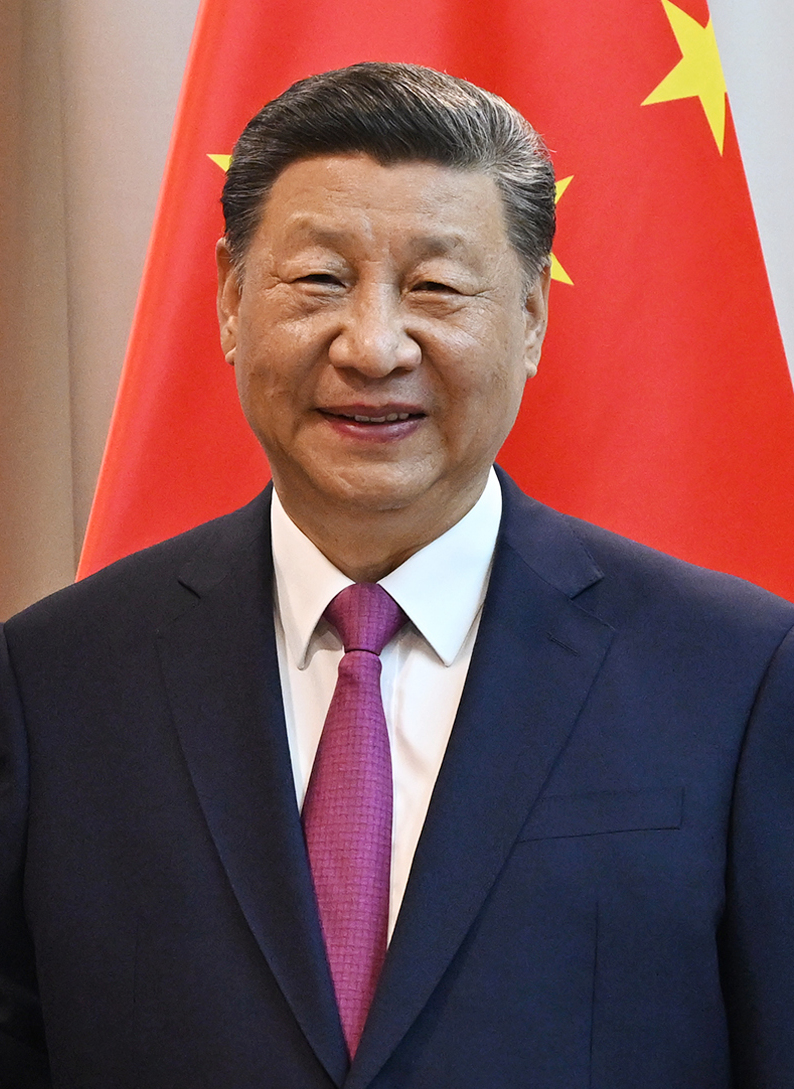
The Wall Street Journal analyses how China's Communist Party leader Xi Jinping uses successive political purges to consolidate power. According to analysts, China is heading towards an increasingly totalitarian system of governance in which even Xi's closest allies may be at risk.
PoliticsAmerican financial publication The Wall Street Journal has published an analysis showing that the repeated political purges by China's Communist Party General Secretary Xi Jinping are a sign of his growing insecurity about maintaining power. The purges have become a regular tool through which Beijing brings officials, military commanders, and the business elite into line with the leader's will.
According to analysts, China is moving with increasing clarity towards a totalitarian system of governance. In this system, no one-not even Xi's most loyal supporters-is protected from political attack. Such an environment creates a climate of fear, where loyalty alone is insufficient for survival in the political landscape.
Experts say that the continuous cycle of purges is a double-edged sword: on the one hand, it strengthens Xi's control in the short term, but on the other, it creates institutional instability, as experienced officials are removed due to constant political pressure. China's system of governance may suffer in terms of reliability and decision-making capacity in the long term as a result.
Political purges in China are not a new phenomenon; similar methods were used during Mao Zedong's era to eliminate opponents. However, the WSJ notes that in Xi's case, the scope and frequency of purges have grown to levels that exceed the actions of his predecessors. This is a systematic and continuous control mechanism, not isolated episodes.
Open in app →