XX Gaudeamus brought 3,900 students from three Baltic countries together in Riga
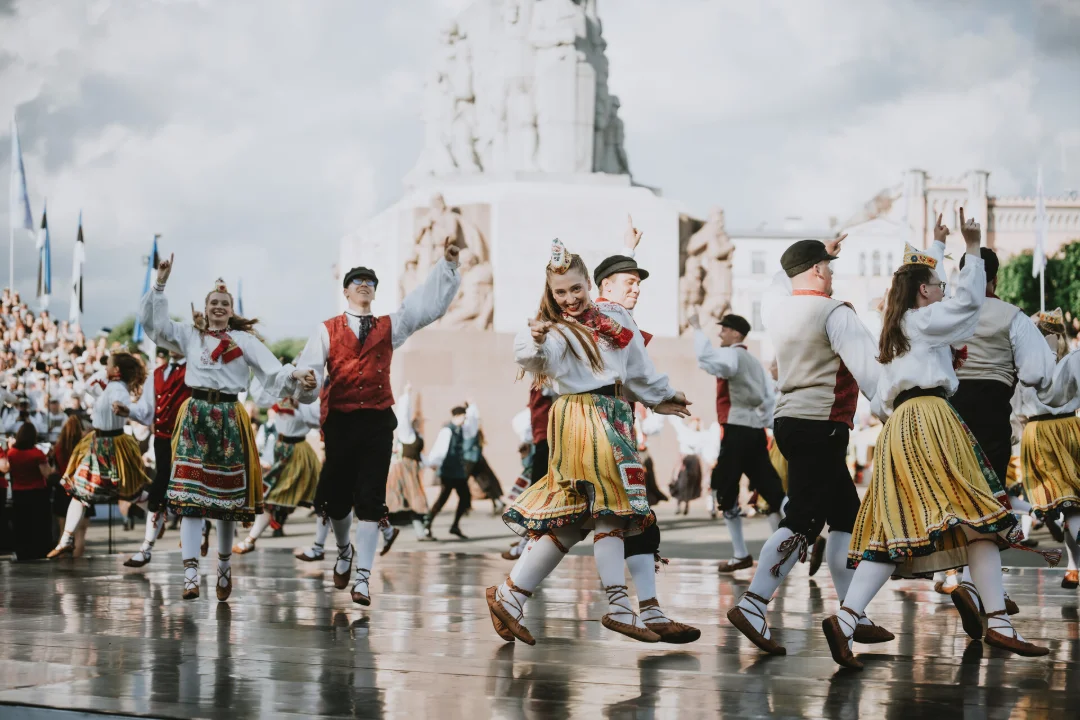
The XX Baltic student song and dance festival Gaudeamus, held in Latvia, brought together 3,900 students from Estonia, Latvia, and Lithuania. Estonia's programme was praised for combining traditional roots with contemporary expression. The joint Baltic student song and dance gathering originated in 1956 in Tartu, during the Soviet era.
CultureRiga hosted the XX Baltic student song and dance festival Gaudeamus, which brought together nearly 3,900 students from three Baltic countries. Young people from Estonia, Latvia, and Lithuania performed songs and dances at the festival, maintaining a tradition that stretches back more than seventy years.
Blending heritage and the present day
Estonia's programme was well received by critics and audiences, characterized as traditional roots skillfully served in a contemporary dish. Estonian performers succeeded in combining the depth of folk traditions with modern stage expression, creating a cohesive and impactful artistic performance sequence.
History begins in Tartu
Over the decades, the Gaudeamus festival has developed into its own tradition. The first gathering took place in 1956 in Tartu, during the depths of the Soviet period and is credited, according to tradition, to the initiative of the choir director and composer Richard Ritsing who was active at that time. Since then, Baltic students have regularly come together to sing and dance jointly, thereby maintaining cultural ties through difficult historical periods.
Today, the festival has become an important cultural event that affirms the shared identity and spirit of cooperation of the Baltic nations. The XX jubilee event in Riga bears witness to how enduring this gathering tradition has proven to be.
Open in app →