Zelensky: Belarus stopped using drone-relay equipment after Ukraine's ultimatum
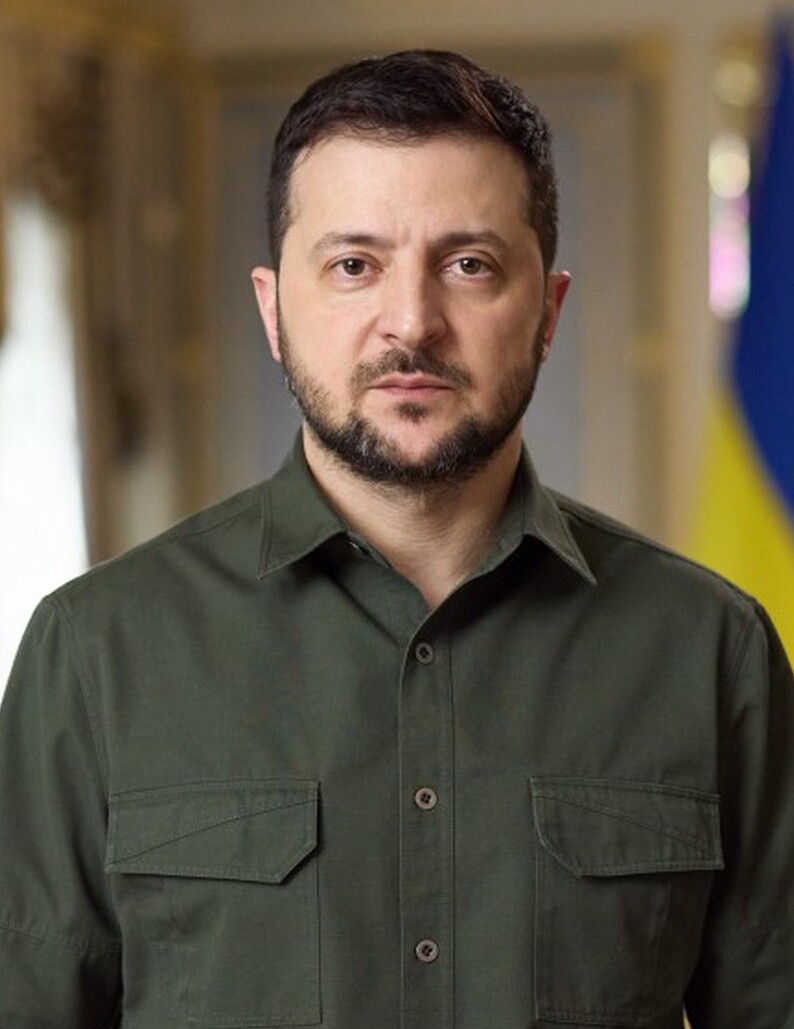
Ukrainian President Volodymyr Zelensky announced that communications equipment in Belarus used to support Russian drone strikes has gone dark since June 22, following an ultimatum he issued to Belarusian leader Alexander Lukashenko. Meanwhile, fuel rationing has spread across at least a dozen Russian regions after Ukrainian drone strikes on oil infrastructure, and Sevastopol lost power after a Ukrainian drone attack on an energy facility. Estonia's Prime Minister Kristen Michal is leading a delegation at the Ukraine Recovery Conference in Gdańsk, Poland.
PoliticsWednesday, June 24, marks the 1,582nd day of Russia's full-scale war against Ukraine, with major developments unfolding on multiple fronts, from a Belarusian equipment shutdown to a widening fuel crisis across Russia and a power outage in occupied Sevastopol.
Belarus Equipment Goes Dark
Volodymyr Zelensky announced that communications relay infrastructure in Belarus, which Ukraine alleged was being used to guide Russian drone strikes, ceased operating on June 22. The announcement came days after Zelensky issued an ultimatum to Belarusian leader Alexander Lukashenko, demanding the equipment be removed within a week or Ukraine would take countermeasures.
«It is not yet clear whether the equipment has been fully dismantled or simply switched off, but what matters is that it is no longer functioning,» Zelensky said.
Ukraine claimed the system consisted of communications and relay devices installed on transmission towers that helped Russian drones navigate during attacks. Russian-used Shahed-type strike drones, of Iranian origin, depend on radio links and ground-based support infrastructure during long-range flights.
Kremlin spokesman Dmitry Peskov accused Kyiv of aggressive behaviour and violating Belarusian sovereignty following the ultimatum. The Kremlin also announced that President Vladimir Putin and Lukashenko plan to meet soon to discuss Zelensky's warning. Lukashenko, who has led Belarus since 1994, is one of Moscow's closest allies and has provided political and military support throughout the war.
Fuel Rationing Spreads Across Russia
Ukrainian drone strikes on oil refineries and fuel infrastructure over recent weeks have triggered growing supply restrictions across Russia. As of Wednesday, at least twelve Russian regions, including Adygea, Yamalo-Nenets Autonomous Okrug, Lipetsk, Samara, Kurgan, Penza, Omsk, Tyumen, Novosibirsk, Kursk, Belgorod, and Bryansk oblasts, have imposed fuel sale limits. In annexed Crimea, petrol sales to private individuals have been suspended entirely.
In Kurgan Oblast, fuel stations are permitted to sell up to 40 litres of petrol and 80 litres of diesel per vehicle within populated areas. In Russian-occupied Crimea, a broader energy crisis is deepening: Sevastopol was left without electricity after a Ukrainian drone strike targeted the city's power infrastructure. Moscow-appointed governor Mikhail Razvozzhayev confirmed the attack, stating that a special regime was imposed and specialists were working to restore power. Trolleybuses were taken out of service and kindergartens placed on a modified schedule.
Russian Students Recruited and Killed on Front Lines
A BBC Russian Service investigation revealed the stories of three young Russians, aged 18 to 23, recruited into so-called drone forces with promises of safe, rear-area service, only to be sent to assault units and killed within months of signing their contracts.
Vladislav Gorbunov, 18, from Bryansk Oblast dreamed of military service. Recruited as a drone pilot, he was first assigned to an assault company with no means to contact his family. He died four months after signing up. His brother told the BBC the family tried to dissuade him, but he believed he was fulfilling his dream and defending his homeland.
Valery Averin, 23, who grew up in foster care, completed drone operator training but was reportedly sent to an assault unit instead. He died three months after enlistment. His mother recalled that he had promised to return home soon.
Rahim Abdullin, 18, had been interested in military matters since school and believed drone operator service would be safer than infantry. On the front line, he discovered conditions differed from what was promised and that units were suffering equipment shortages. He was killed two months after enlisting.
Ukraine's Skelia Regiment Under Investigation
Ukraine's State Bureau of Investigations has launched a pre-trial inquiry into the 425th Separate Assault Regiment Skelia following allegations of mistreatment and at least 26 non-combat deaths. The investigation follows a report by Ukrainian outlet Babel, based on testimonies from current and former soldiers, relatives of conscripts, and medical and court documents.
The deaths reportedly occurred between late 2025 and spring 2026, many shortly after mobilisation and training. Relatives and former servicemembers alleged inadequate medical care, coercion, and physical abuse. The regiment responded that 18 of the 26 deaths occurred in hospital or en route to hospital and were linked to poor health conditions among recruits, not to direct mistreatment.
Skelia is one of Ukraine's largest assault units, with over 10,000 personnel, and is frequently deployed in high-risk offensive operations.
Estonia Leads Delegation in Gdańsk
Prime Minister Kristen Michal is heading Estonia's delegation at the Ukraine Recovery Conference in Gdańsk, Poland, running from June 24 to 26. The delegation includes Foreign Minister Margus Tsahkna, Social Affairs Minister Karmen Joller, Finance Minister Jürgen Ligi, and Infrastructure Minister Kuldar Leis.
«Rebuilding Ukraine is not something that begins only after the war. Security and reconstruction are not separate issues. Ukraine must have everything necessary to defend itself, and at the same time must be able to continue building its future even during the war,» Michal said.
He noted that Estonia's total support for Ukraine has exceeded 3% of the country's GDP, calling it «a conscious choice and an investment in security.» On June 26, Estonia will formally receive the baton to host the next Ukraine Recovery Conference, in Tallinn in 2027.
Estonian companies from IT, defence, energy, and construction sectors are present at the conference's exhibition area, including Harmet, Nortal, Milrem, Skeleton Technologies, and others operating or expanding in the Ukrainian market.
Lavrov Signals Frustration, Demands Clarity from Washington
Russian Foreign Minister Sergei Lavrov expressed frustration over Washington's positions on the war, saying Moscow wants to understand what the United States actually stands for. «For Russia, for us, this is a matter of fundamental importance, and we will not waste our time on temporary, interim solutions, and certainly will not accept ultimatums dictated by anyone,» Lavrov said.
He added that Russia remains committed to understandings reached at the August 2025 Alaska meeting between Putin and Donald Trump. Meanwhile, Ukrainian officials told the Financial Times they see signs that Trump is becoming more willing to strengthen support for Kyiv and may be ready to exert greater pressure on Moscow to end the war.
Open in app →